The workshop as a method of cultural action
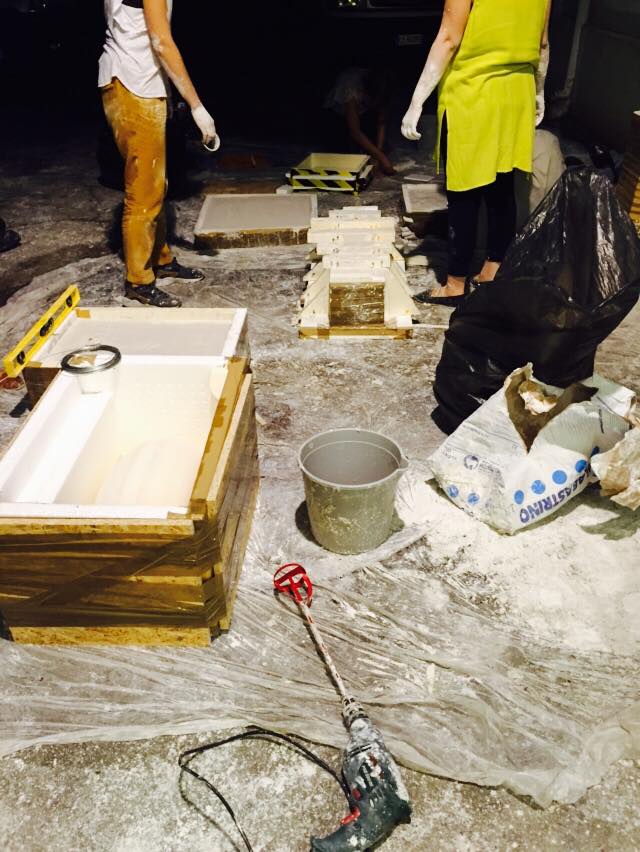
CAMPO started with a workshop. To an independent cultural project making its first moves in 2015, the lighthearted and fast pace of this format, offered an instrument to immediately trace lines of enquiry and test research methods. The workshop also provided an affordable opportunity of international collaboration, by bringing together established architects, artists and thinkers in dialogue with students and young graduates of a new generation. From the very beginning CAMPO was defined as a field where the debate about architecture and the city, about design and teaching methods, would be practiced collectively, in a concentrated form, within a precise but temporary framework. CAMPO itself took the form of a workshop.
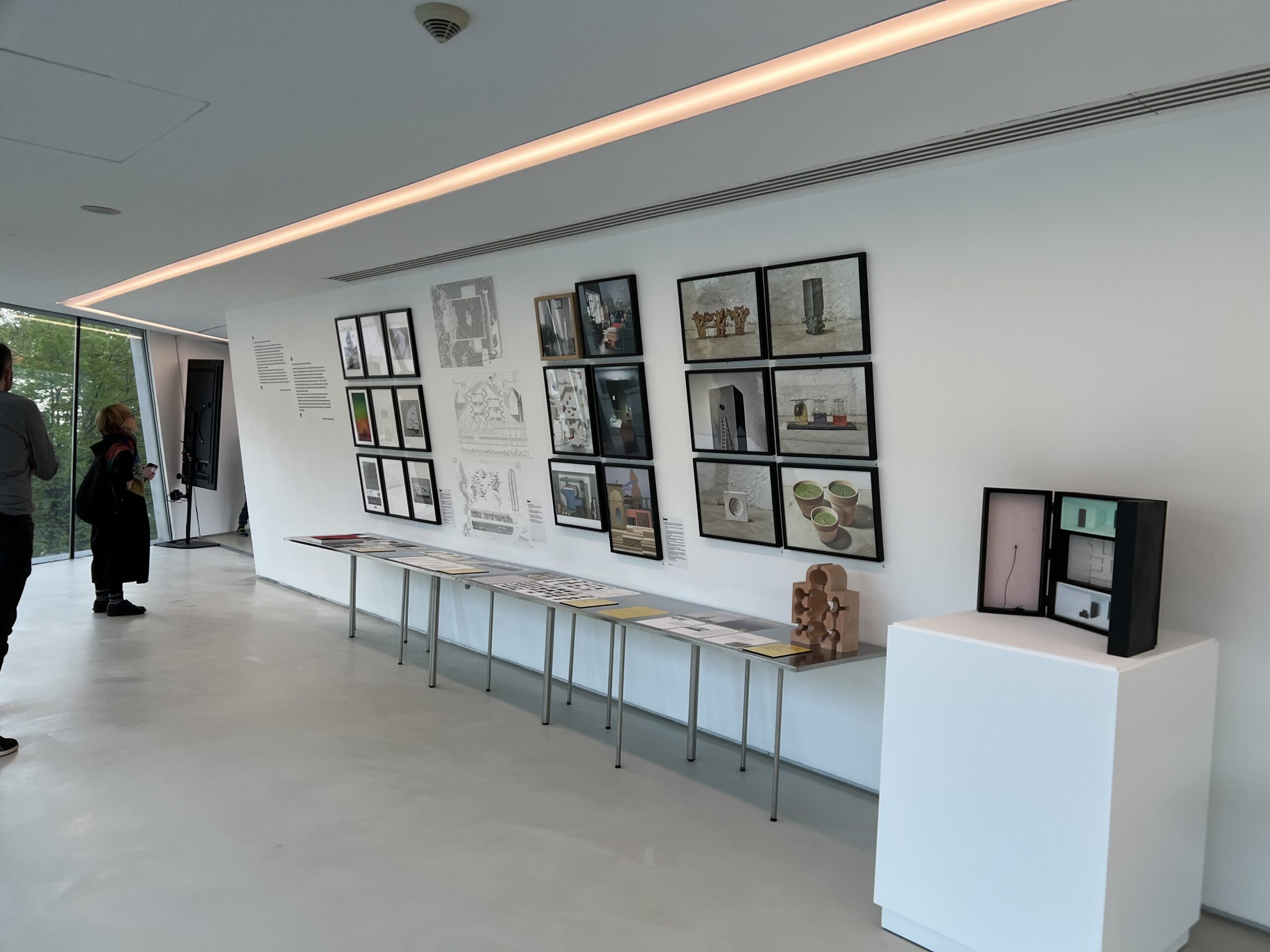
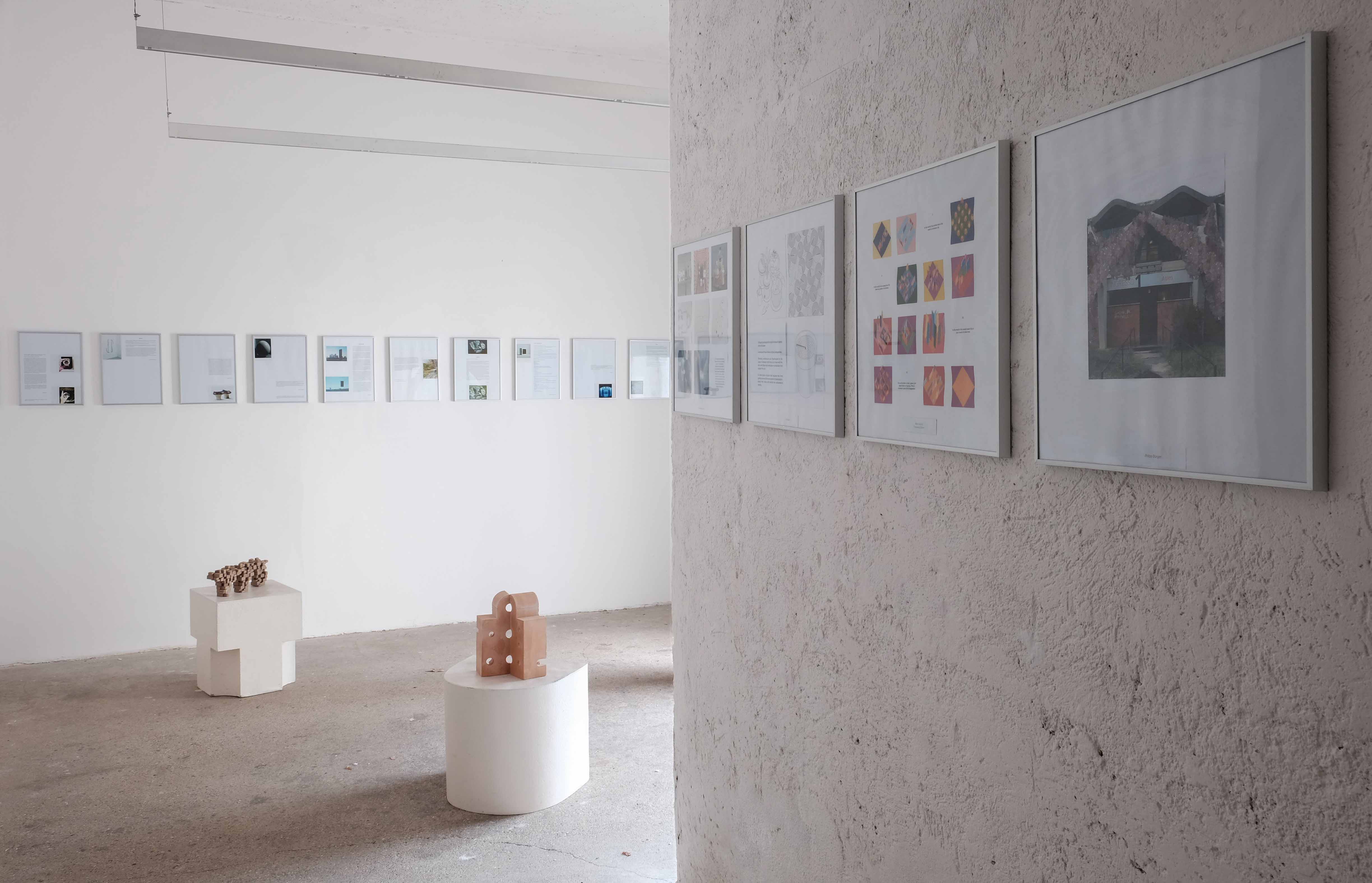
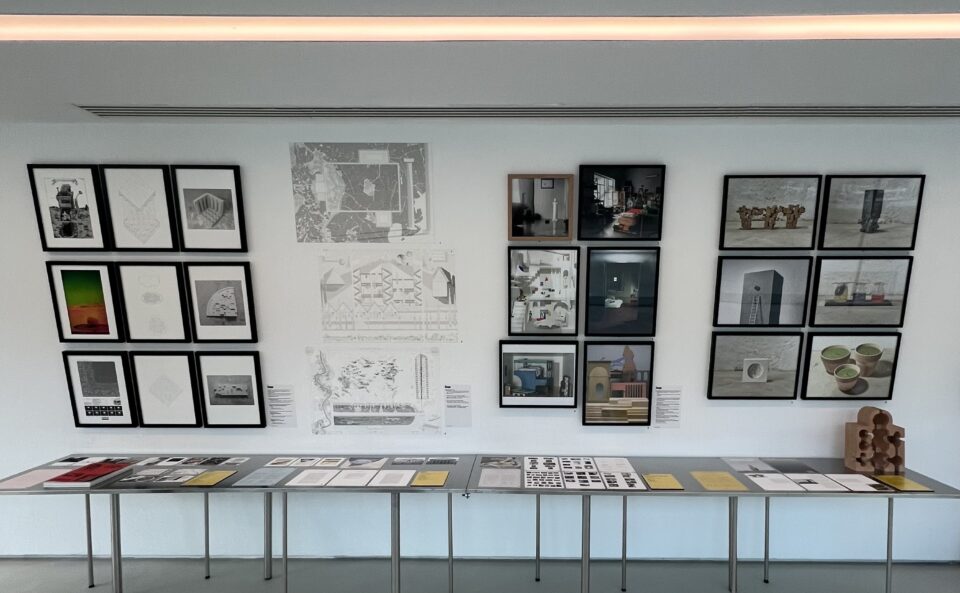
The exhibition presents a series of four international workshops, occurred between 2015 and 2018, which exemplify CAMPO’s practice and method of cultural action. Every episode began with the study of a “radical” project: “The Twelve Ideal Cities” by Superstudio, “The Planet as a Festival” by Ettore Sottsass, Archizoom’s “Dream Beds” series, and the manifesto “Alles ist Architektur” by Hans Hollein. Published in international magazines between the 1960s and the beginning of the 1970s, these projects were chosen for their bold political and cultural positions, the high degree of imagination and the rootless coherence between text, drawings and images. Looking at these projects without nostalgia but with the awareness of their specific cultural and political context, we intended to verify, together with invited contributors and students, whether their conceptual and working tools are still relevant for the contemporary condition. We used the workshop as a means to study and articulate a collective reflection.
CAMPO wrote a brief outlining our position and the rules of engagement with these radical projects. We invited a number of contributors – among which architects, photographers, artists and researchers – to elaborate a reflection using each time a specific tool: an image, a text, a series of photographs, an object. Then, this set of materials constituted, together with the initial project, the brief of the workshop. The students were called to respond to this visual and narrative body of work, using architectural design instruments such as models, drawings or images accompanied by a short text, to add a further layer of interpretation. The original project, the interpretation of the contributors and the outcome of the workshop would then form the materials of four exhibitions held annually at CAMPO. These events have been moments of public debate followed by publications collecting the outcome of these intense processes of material and knowledge production.
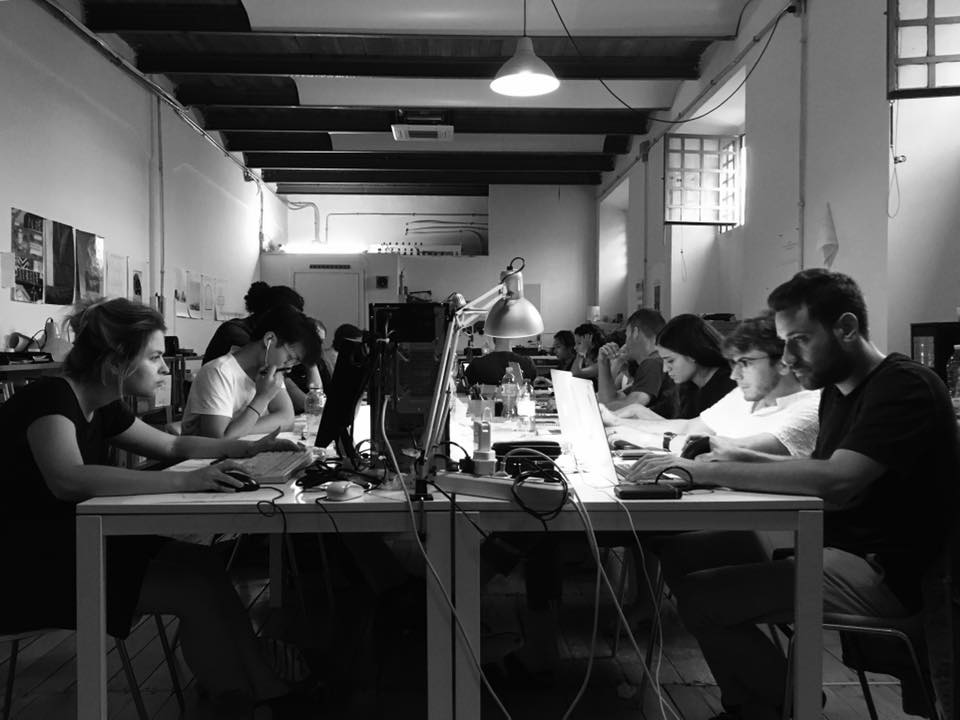
Examining and handling documents with the amateur curiosity of the architect rather than the cultural diligence of the curator, CAMPO manipulates knowledge as a substance to be continuously re-framed and thus kept alive as an instrument of change. Acting as liturgies of knowledge, CAMPO’s workshops define a method to engage with a field of research: each episode frames a time for understanding and a space for discussion, embracing unintended mistakes and purposeful inaccuracies as productive misunderstandings leading to a new constellation of meanings. Operating with a certain degree of naivety, we strive to liberate the latent transformative potential of the document, its capability of producing meaning across geographical and historical contexts. Temporarily unhooked from their material and historical realms, chasing an impossible innocence, documents can acquire a new life and become instruments of a collective project. The inquiry took the form of design itself, placing the work, past and present, at the center of the cultural exchange.
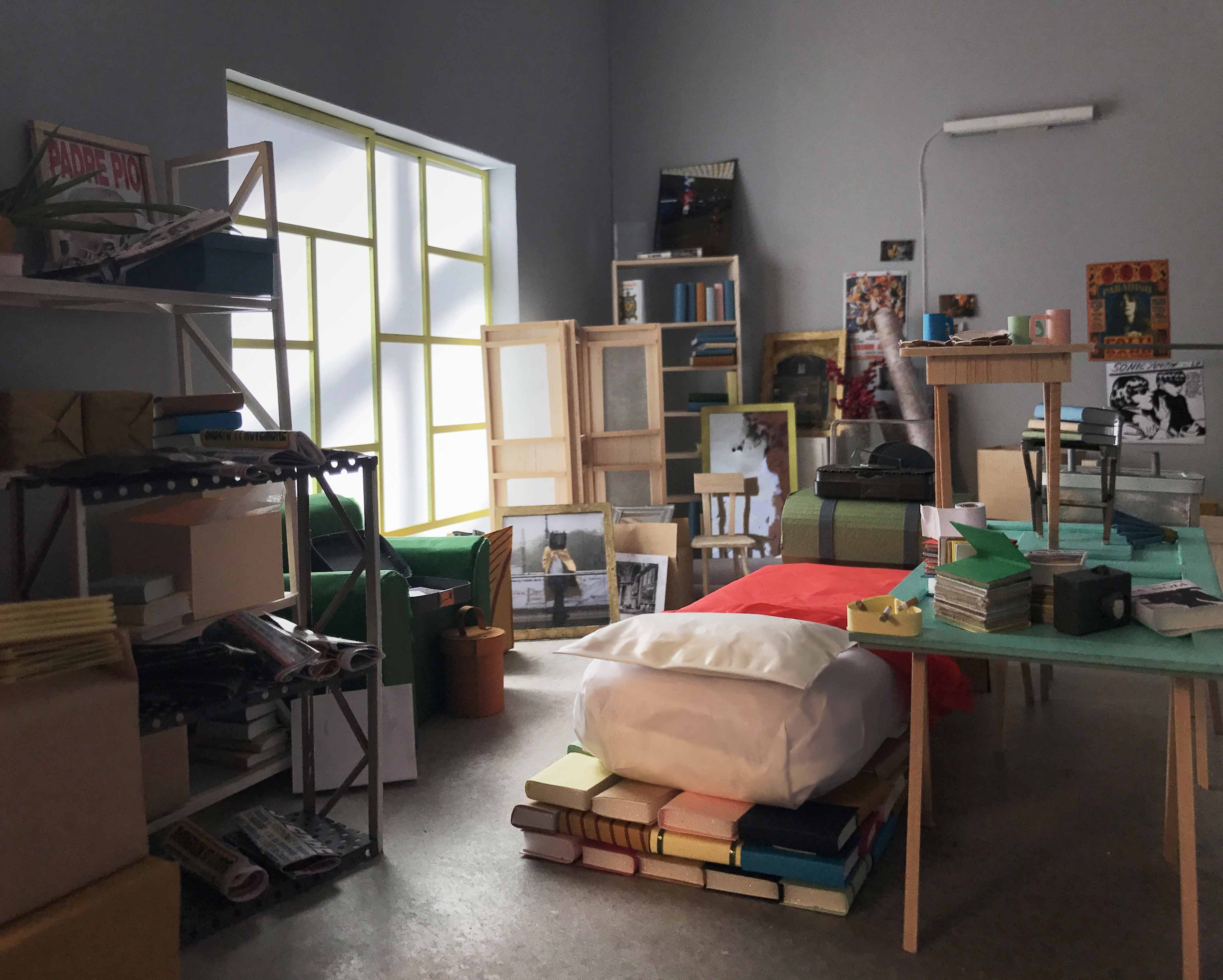
CAMPO’s workshops are a collective inquiry on the value of canonical tools – texts, drawings, images and models – as instruments to represent, critically expose and construct meanings for architecture and the city. In response to the rapid and profound transformation of the architect’s tools and role in the society, CAMPO reclaims the workshop as a tool to develop ways of thinking and producing that are radically other. The space of making through collaboration allows practices of self-organization and knowledge exchange that can go beyond the reassuring character of institutional education and the economic logic of professional protocols. Bringing together the intellectual reflection with the material experience of places and relations, the workshop can turn into a paradigm for cultural action, for the invention of collective forms of life and production.